




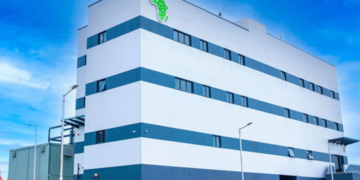





















As digital demand surges, massive server hubs are evolving from IT assets into the pivotal drivers of Africa’s energy infrastructure and grid stability.
The rise of the digital economy has reached a tipping point where technology and energy are now inseparable. According to the African Energy Chamber’s (AEC) State of African Energy 2026 Outlook, data centers are no longer just tech stories; they have become the most powerful catalysts for energy investment on the continent.
With global IT power demand projected to hit 374 GW by 2030, Africa is racing to build the specialized power frameworks needed to host the world’s data. This surge is reshaping investment priorities ahead of African Energy Week (AEW) 2026.
For years, African power utilities have struggled with unbankable projects due to unpredictable demand. Data centers change that equation. Because they require massive, 24/7, uninterrupted electricity, they act as anchor tenants for power grids.
- Predictable Load: High-volume, constant demand makes it easier for developers to secure financing for new power plants.
- Grid Modernization: To meet the five-nines (99.999%) uptime requirement of hyperscalers like Amazon and Microsoft, local utilities are being forced to upgrade transmission lines and redundancy systems.
- Sustainability Accelerator: Hyperscale operators are increasingly demanding renewable energy, driving a surge in corporate power purchase agreements (PPAs) for solar, wind, and battery storage.
While the demand is continental, two markets are currently leading the charge:
South Africa
South Africa remains the continent’s heavyweight. With cloud zones from Microsoft and AWS already established and Google ramping up operations, the market is shifting from simple colocation to massive wholesale hubs.
- Utilization: Currently exceeding 83%, projected to hit 94% by 2030.
- Hubs: Growth is hyper-concentrated around Johannesburg and Cape Town.
Kenya
Kenya is seeing a massive 30% CAGR through 2028, fueled by proactive digital policies.
- Vision 2030: Flagship projects like the Konza National Data Centre are positioning Kenya as a critical node.
- Capacity: Total supply is expected to surpass 155 MW by 2029, driven largely by the country’s abundant geothermal and green energy profile.
Despite the momentum, the report identifies several structural “bottlenecks” that could stall growth:
- Grid Resilience: Frequent outages and a lack of redundant supply points remain the #1 risk for operators.
- Data Sovereignty: New regulations requiring data to be stored locally are forcing a shift away from European-hosted servers, creating an urgent build-or-fail scenario for local governments.
- Policy Coordination: Unlocking the full potential requires a triad of collaboration between energy ministries, telecom regulators, and private financiers.
“Data centers are no longer just a technology story, they are an energy story. If Africa gets the power framework right, digital infrastructure can unlock investment, strengthen grids and accelerate inclusive growth across the continent.” — NJ Ayuk, Executive Chairman, African Energy Chamber