



















East Africa is Structuring its AI Blueprint to Reclaim Data and Infrastructure Ownership
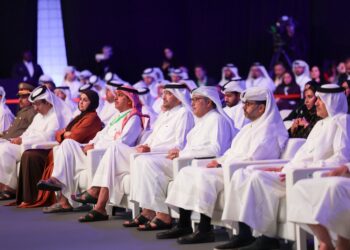
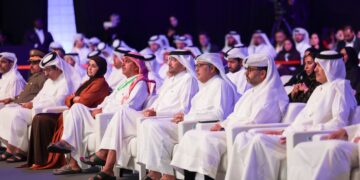
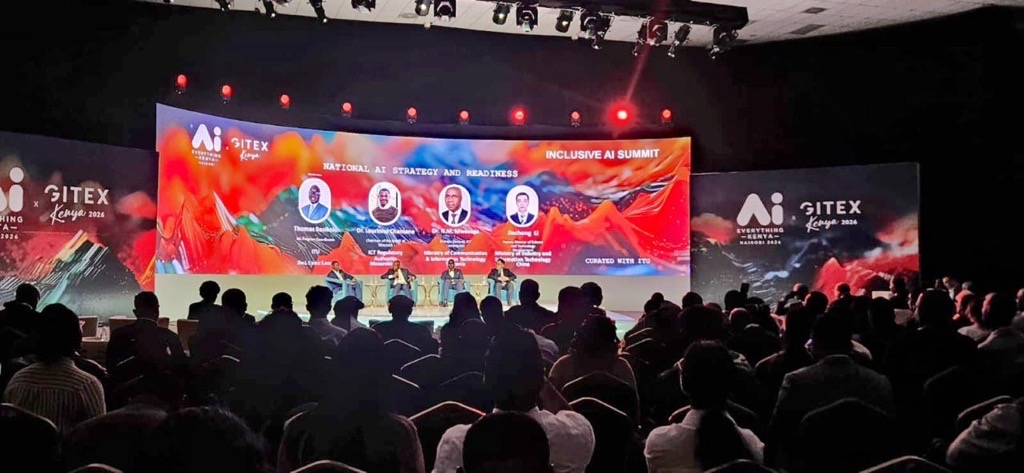
The opening of the AI EVERYTHING KENYA X GITEX KENYA summit represents more than just a gathering of tech leaders; it is a declaration of intent. As 400+ C-suite delegates, government envoys, and global investors converge in Nairobi, the dialogue has shifted sharply toward the mechanics of digital sovereignty. The core argument articulated by leaders like H.E. Ambassador Philip Thigo is that Africa’s AI trajectory must be treated as a strategic investment agenda, not merely an ICT upgrade.
The summit’s sessions have crystallized five essential pillars required for East Africa to compete on the global stage:
- Infrastructure Ownership: Moving the conversation from where data sits to who controls the compute. Leaders stressed that true sovereignty requires physical ownership of data centers and hardware, not just localized software deployments.
- Localized Innovation: Projects like PAWA AI are proving that Africa can build Small Language Models (SLMs) specifically for Swahili and other local languages, ensuring that AI is inclusive, accurate, and culturally relevant.
- The Investment Nexus: With Africa’s AI market projected to hit US$16.5 billion by 2030, the focus is now on transitioning from fragmented pilot programs to commercially scalable, revenue-generating infrastructure.
- Pragmatic Regulation: Kenya’s existing data protection frameworks and renewable energy advantages are being leveraged as the foundational platform to attract hyperscale cloud infrastructure.
- Edge-First Strategy: Industry experts, including HP Middle East, emphasized that as AI scales, the focus must shift to the edge, enabling organizations to innovate without sacrificing the control and security of their proprietary data.
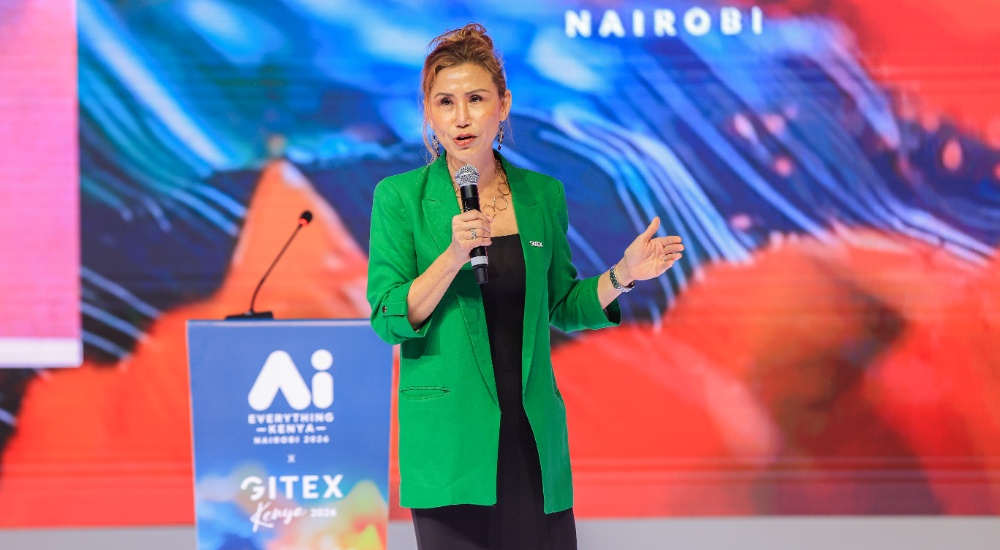
The summit underscored a clear imperative: the transition from theory to practice. For East Africa, this means integrating AI into the bedrock of national services, healthcare, energy grids, and financial services, while fostering a research and entrepreneurship ecosystem that creates, rather than just imports, technology. As noted by Trixie LohMirmand of KAOUN International, we are witnessing a geopolitical and economic restructuring, and East Africa is positioning itself to lead this shift through collaborative innovation rather than isolation.