























The hidden cost of inefficient MRO procurement is hitting the bottom line. It’s time to move beyond reactive purchasing and turn your maintenance data into a competitive advantage.
Maintenance, Repair, and Operations (MRO) procurement has long been sidelined as an indirect function. While direct material procurement commands strategic attention, MRO is often left to fend for itself, leading to fragmented data, duplicate stock, and inflated operational costs.
In the fast-evolving African industrial landscape, this is a risk companies can no longer afford. Whether you are in mining, energy, or food processing, unreliable MRO data is a silent drain on your operational resilience.
The journey toward effective MRO management begins with data governance. Without standardized naming conventions, part numbers, and classification protocols, you are essentially flying blind. Duplicate records distort your reporting, and manual, free-text entries create data siloes that prevent you from leveraging economies of scale across your facilities.
To gain a single source of truth, organizations must:
- Standardize nomenclature: Ensure consistent manufacturer names and part descriptions.
- Enforce structure: Move away from manual, unverified data entry to controlled, purpose-built fields.
- Centralize visibility: Align systems across all geographies to prevent redundant purchasing.
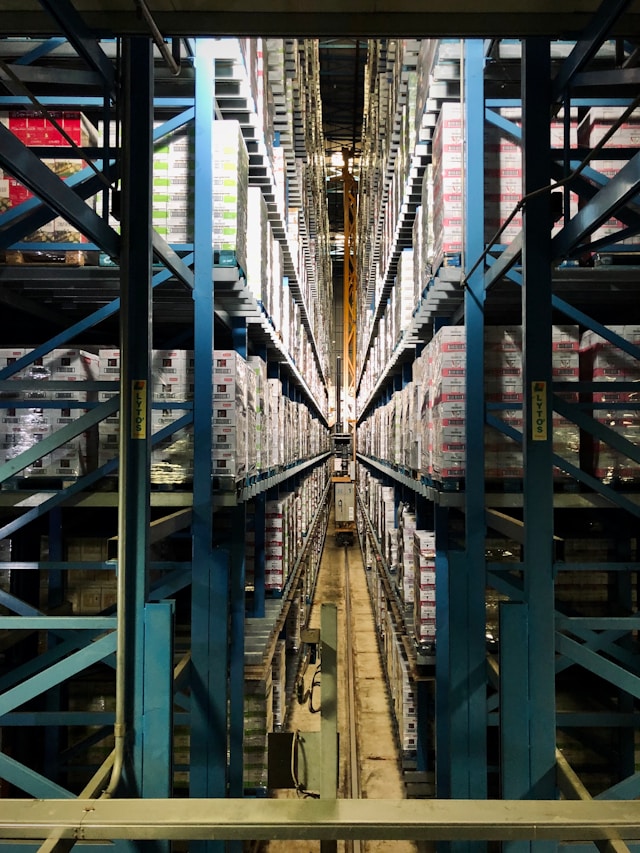
When data is poor, the financial impact is immediate. Overstocking traps working capital, while understocking risks costly downtime. In Africa, where supply chain volatility and long lead times are common, the ability to see exactly what you have and where it is, is the difference between continuity and a production stoppage.
Modern MRO environments require more than just spreadsheets. Integrating supplier catalogues into your ERP, utilizing Vendor-Managed Inventory (VMI), and adopting analytics dashboards are no longer optional. These digital tools transform procurement from a reactive task into a proactive, data-driven strategy.
Clean, centralized data creates a ripple effect:
- Budget accuracy: Forecast with confidence.
- Supplier leverage: Use consolidated data to negotiate better terms.
- Predictive Maintenance: Build the foundation for future-ready, smart manufacturing.
In a region where resilience is tested by logistics and infrastructure challenges, mastering MRO data isn’t just about fixing things; it’s about business agility. By investing in governance and digital tools today, you aren’t just managing spare parts; you are securing the future of your operations.