

















Dell is Redefining Resilience for the 2026 Enterprise
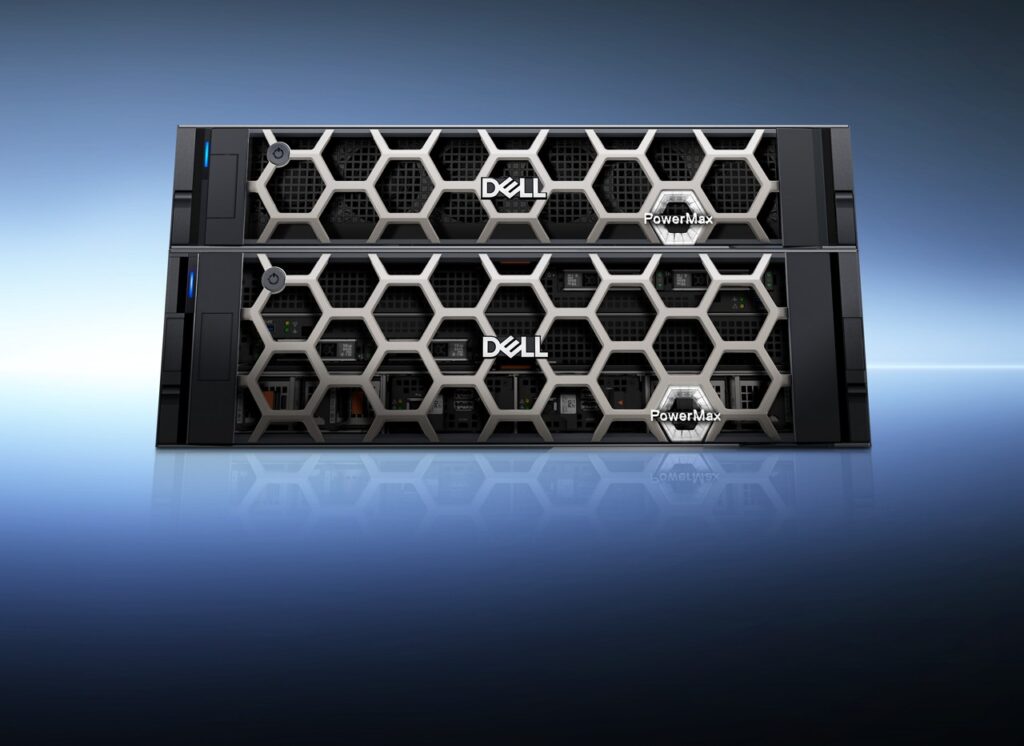
In the high-stakes world of Tier-0 storage, marginal gains aren’t enough. With the launch of PowerMaxOS 10.4, Dell Technologies has delivered a major software-driven evolution for its PowerMax platform, specifically targeting the heavy-duty workloads of Oracle, SAP, and Salesforce.
The update arrives at a time when enterprises are balancing two priorities: delivering application performance at machine speed and ensuring Zero Trust cyber resilience.
PowerMaxOS 10.4 isn’t just a patch; it’s a performance overhaul. By optimizing SRDF-protected workloads, Dell is delivering up to 25% faster read response times. For real-time decision-making systems, these milliseconds represent the difference between a seamless customer experience and a bottlenecked one.
- The update introduces a new node-pair configuration for the PowerMax 2500 and 8500, effectively lowering the Total Cost of Ownership (TCO) while maintaining elite IOPS levels.
Ransomware is no longer a potential threat; it’s an operational certainty. PowerMaxOS 10.4 integrates Advanced Ransomware Detection directly into the storage layer, identifying anomalous patterns before they can encrypt the core.
- By adding Single Sign-On (SSO) support for Okta, PingFederate, and Entra ID, Dell is bringing enterprise identity management into the storage rack, simplifying Zero Trust deployments without hindering admin productivity.
The most striking metric in the 10.4 release is the 10x faster migration for VMware virtual machines. With array-based XCOPY and the Red Hat Migration Toolkit for Virtualization (MTV), Dell helps large enterprises move legacy workloads into modern container platforms like Red Hat OpenShift.